
These bright wooden creations can be seen on display at the Lviv Museum of Ethnography and Crafts and at the Klymentiy Sheptytskyi Lviv Museum of Folk Architecture and Rural Life.
Around 20 kinds of these cheerful pieces are called a zabavka — a plaything — for their wonderful gift of amusing and soothing.


The history of the cottage craft of these colourful little wooden pieces in the Yavoriv region goes back to the 17th century, and the trade is handed down from one generation to the next.
 |
| A Yavoriv zabavka |
The most common were little carts and cut-out silhouettes of horses. The craftsmen learned to turn wooden logs into droll little figures of dancers, birds and butterflies, and learned to build furniture for toddlers and dolls — little tables, chairs and chests.


For young musicians there came merry fiddles, sopilkas and rattles. Playing with a clapper or a whistle, children develop their coordination, attentiveness and powers of observation.


Do not call these zabavky mere toys, for they are meant not only for play but also to guard against evil spirits and sickness. The sacred nature of the aspen — from which amulets, talismans and Yavoriv playthings were made — has been known since pre-Christian times. Aspen twigs were used for protection from evil spirits. For the painting the masters used green, the symbol of nature, renewal and harmony; red, which stands for love, joy and fertility; and white, associated with purity and openness. Yellow, which the artists chose for the background, carries energy within it, and without the sun the life force is impossible to imagine. In earlier times plants and insects were used to make the paints. With the arrival of acrylic paints the zabavky came to be coloured with more durable materials, yet they kept their ecological safety.


In the 1970s and 1980s the joyful wares of the Yavoriv region could still be found in toy shops, but the distinctive zabavka could not withstand the competition of the toy market. The folk masters have not lost their source of inspiration and do all they can to preserve the traditions and the authenticity of the craft, yet wide sales of the painted pieces are no longer to be expected — most often they are now made to order and as souvenirs.


To popularise the craft they love, the artists hold master classes, letting all who wish share in the secrets of the trade.
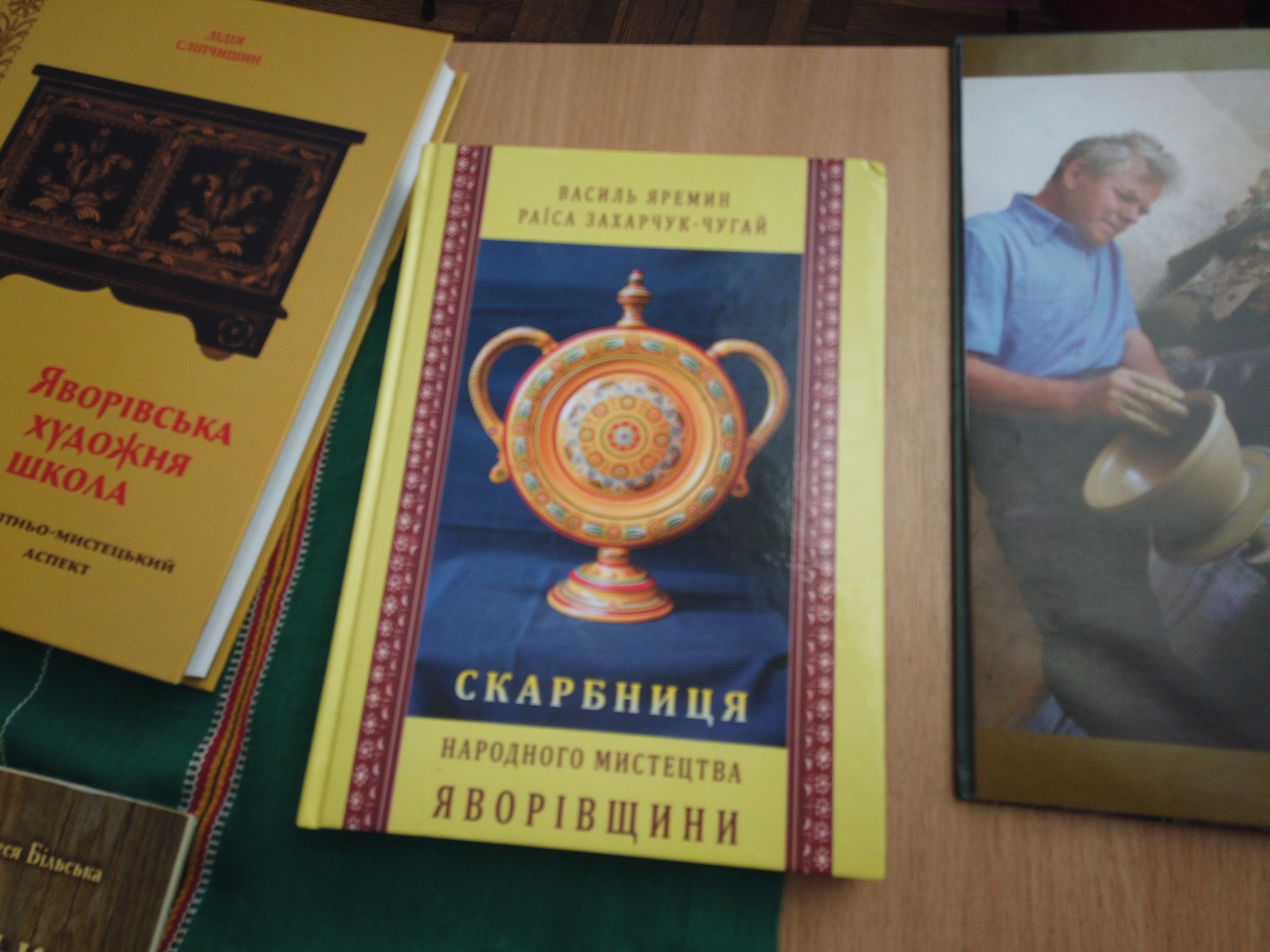
The distinctiveness of the flat forms and constructions, the rendering of the ornament and the colour tones let the Yavoriv works stand as a unique example of folk art — and call for everything possible to be done to preserve one of the entries on the National List of Intangible Cultural Heritage.
This story is also available in Ukrainian: Яворівська забавка. Скарбниця Яворівщини. Граємо і зберігаємо

No comments:
Post a Comment
Leave your impression