Why do I keep coming back to Lviv? That question is impossible to answer, just as it is impossible to grasp the boundless.
The city bewitches and intrigues you with the unexpected, captivates you with unforgettable beauty and astonishes you with countless surprises, for everyone finds here something unique and touching of their own.
Lviv is a tourist mecca.
There are any number of unconventional tours on offer, with astonishing tales to tell, but I prefer to walk this royal city on my own.
If you have been to Rynok Square, visited the museums and churches, tried the marvellous sweets in a chocolate house and the beer in a knaipa, do not imagine that you already know everything about this museum-city, this city of gastronomic discoveries.
 |
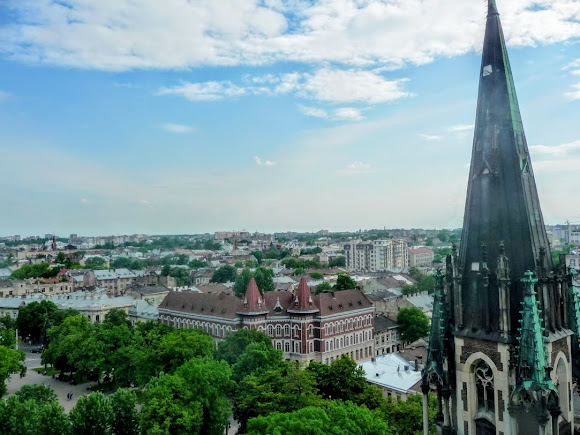
| The Dominican Cathedral |
Every street, every building is a pearl of the royal crown.
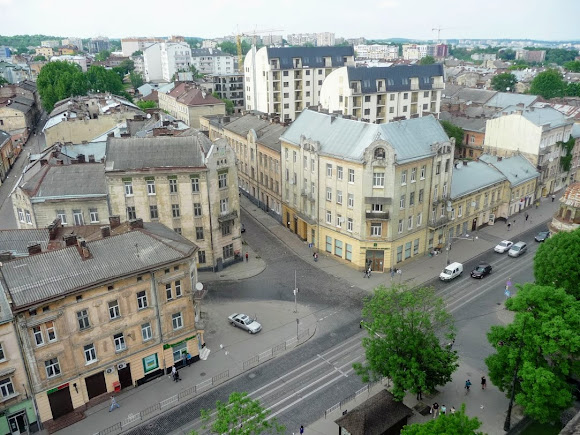
To get to know the capital of Galicia better, you have to walk the Austrian quarters and the medieval streets yourself and try to immerse yourself in the extraordinarily captivating atmosphere of this city of sleeping lions, whose images, in the form of sculptures and reliefs, number around 4,500.
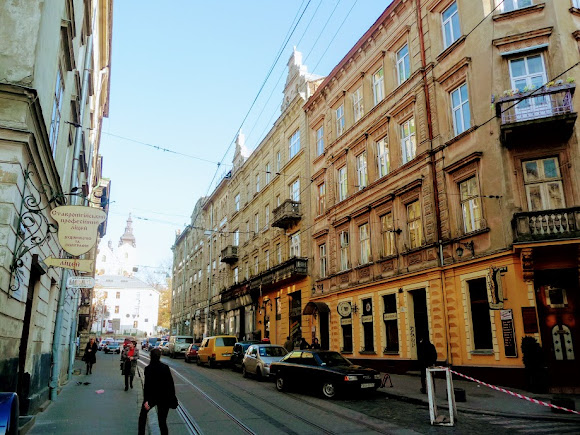
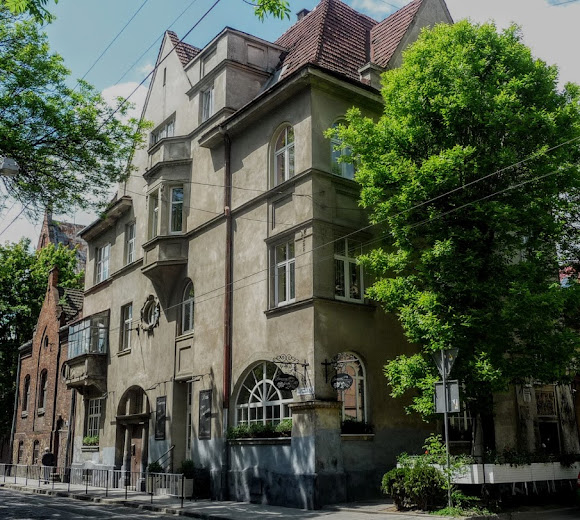
This time I began my defilada on General Chuprynka Street, because wherever you cast your gaze you long to go there, and every street is unique.
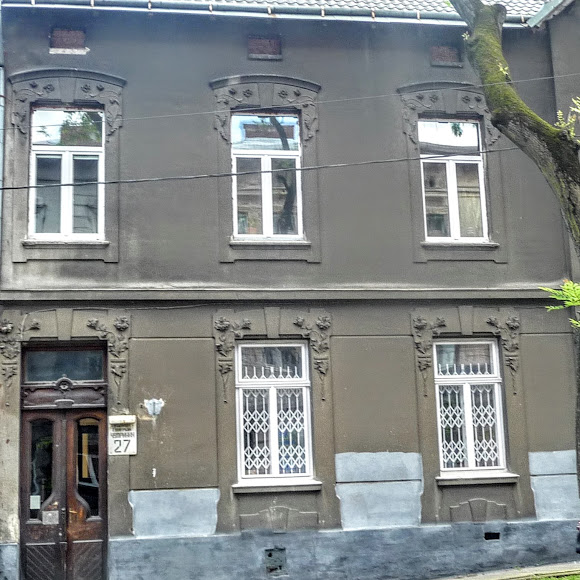
 |
| The private mansion of the architect Michal Kowalczuk, built to his own design in 1897-1898. |
By the admission of foreign journalists, the Ukrainian Piedmont yields nothing in beauty or comfort to the largest cities of Europe.
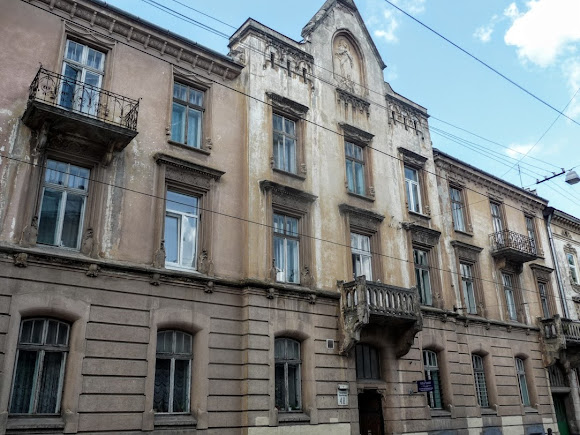
 |
| An apartment building, arch. Yu. Sosnowski, 1907-1908. |
The tram was launched here much earlier than in Vienna.
 |
| General Chuprynka St., 56. 1910. |
And there are so many parks, gardens and public squares that some capital cities have never even dreamed of the like.
Lviv was founded in the 12th century and was the capital of the Principality of Galicia-Volhynia.
Its architectural face was shaped by the influence of different eras, yet all the styles have woven together harmoniously into one unique wreath, untouched by time.
Quite deservedly, the historic centre of Lviv is inscribed on the UNESCO World Heritage list.
 |
| The mansion of Kazimierz Skibniewski, 1909-1912. A kindergarten. |
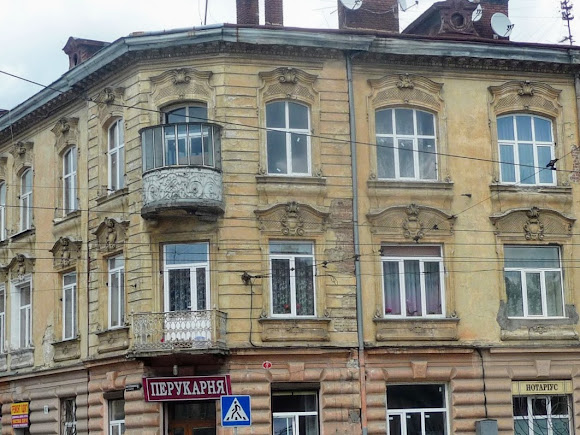
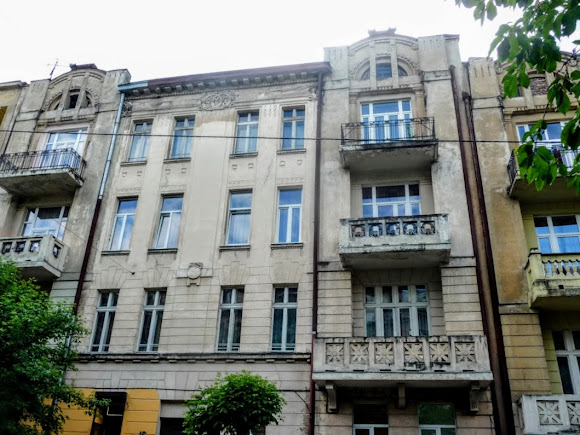
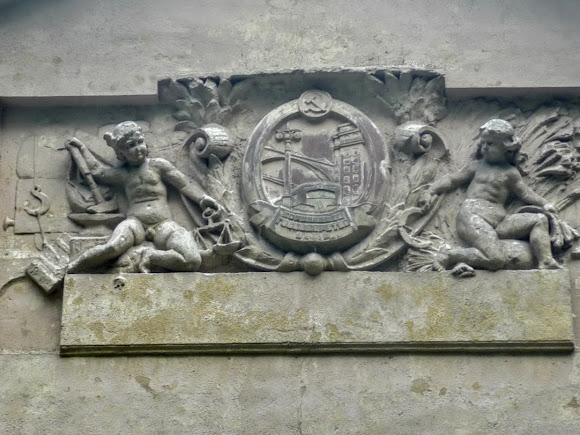
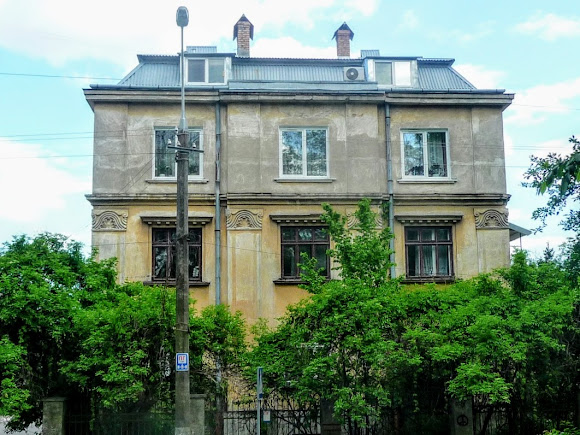
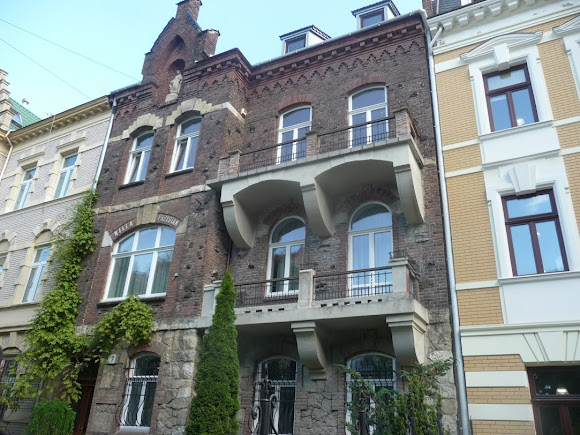
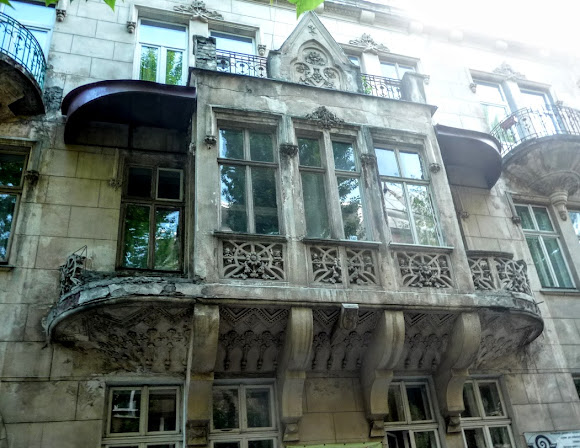
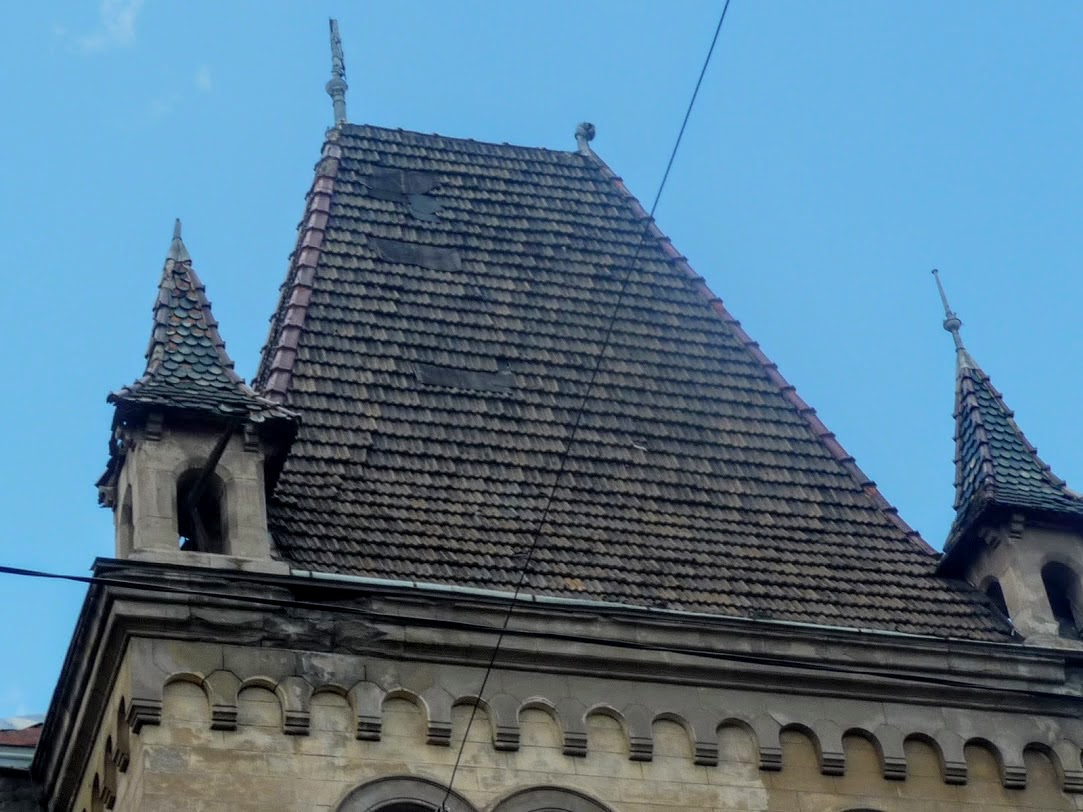
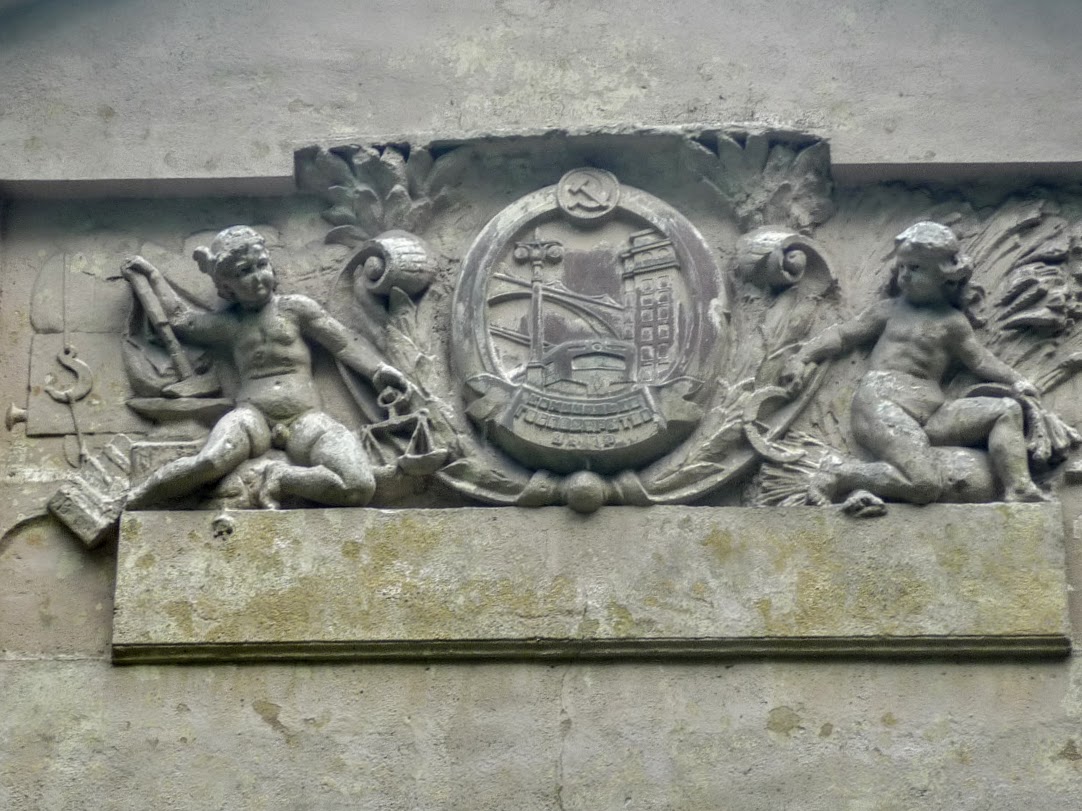
Paradoxically, despite its turbulent history, the city has the largest number of architectural monuments in Ukraine, some of them dating from the 14th — 17th centuries. And even those town houses that never became symbols of this city of coffee and chocolate have distinctive features and harbour wondrous legends, which can be read in the artistic stucco of the window and door pylons and in the decorative ornamentation of the facades.
Lviv has more than 100 places of worship of various religious denominations.
 |
| General Chuprynka St. The Church of St. Clement. 1895. |
Unless you talk with the people of Lviv, you will never fully feel the individuality and charm of the city. My personal opinion of the townsfolk — hospitable, smiling, tolerant, reserved. They tend the history of their city with care and take pride in it, but without arrogance or condescension. I can give several examples of the friendliness of the residents of Ukraine's cultural capital. When I was photographing a children's clinic, a man passing by the building asked why it had caught my interest.
 |
| The former villa of V. Rawski the Younger, arch. V. Rawski the Younger, 1896. A children's clinic. |
You would think the streets are so crowded with tourists and their cameras that this could surprise no one. But this man from Lviv, it seems, felt the urge to show hospitality and offer a little guidance. Volodymyr is a paediatrician at this clinic. On top of his main work, he has to put in a great deal of effort to preserve the former villa, built in 1896. And there were several such displays of Galician courtesy on that day alone.
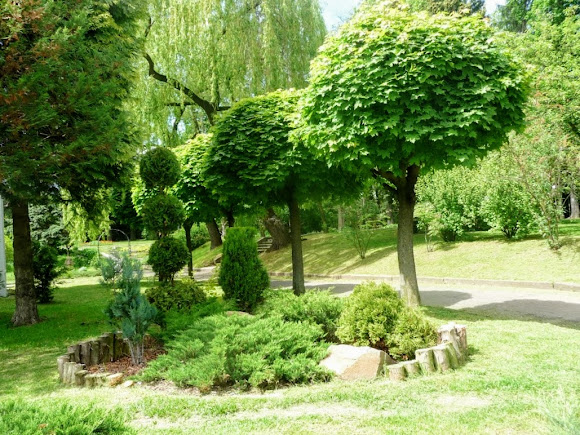
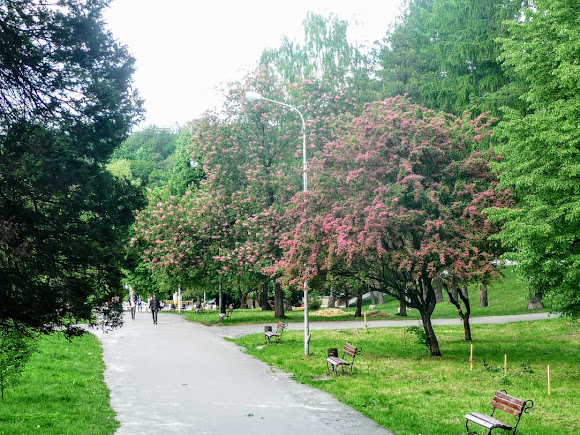
How wonderful it is that the residential quarters alternate with swaths of greenery.
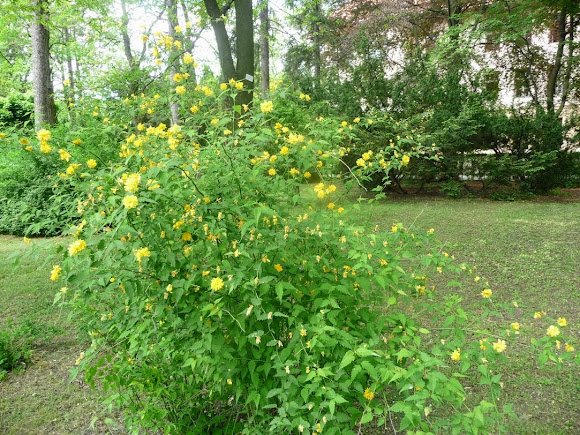
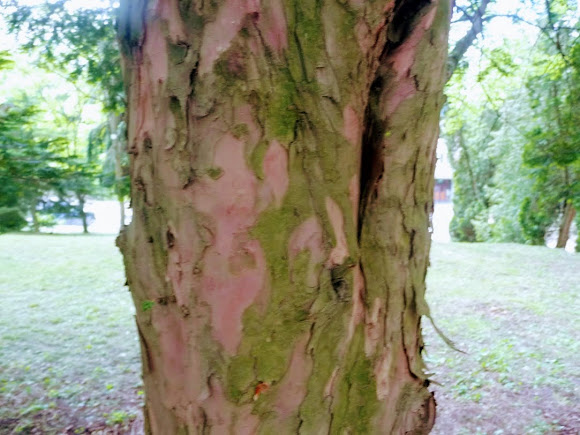
The Botanical Garden of the Forestry University stands at 104 General Chuprynka Street, and I could not help stepping into this little paradise of nature.
On the grounds of the arboretum stands an academic building, raised in 1908 in the Ukrainian Art Nouveau style.
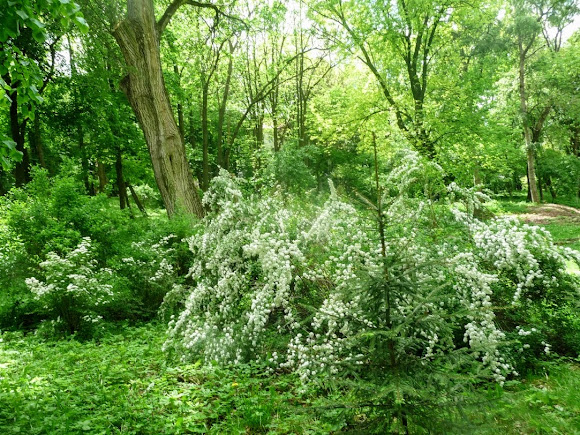
The bright colours of the flowering plants cannot fail to delight.
Students find it pleasant to relax in their own garden, and here, on the study-and-research plots, they hold their practical classes.
The arboretum holds the status of national importance and belongs to the International Association of Botanic Gardens.
Having admired the rare exotic species, I continued my promenade along Pryrodna Street.
 |
| Pryrodna St. The Church of the Holy Equal-to-the-Apostles Prince Volodymyr. UGCC, 2011. |
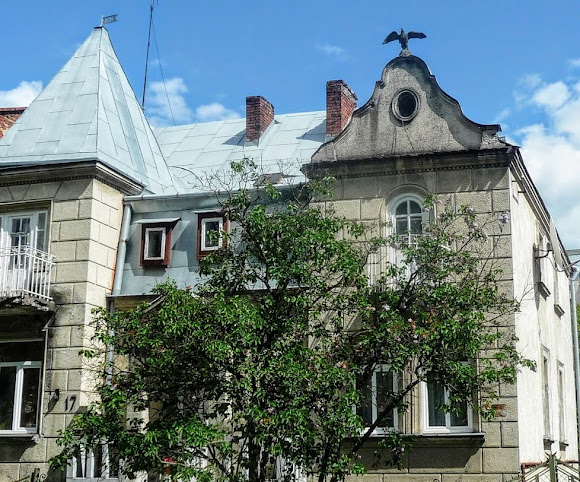 |
| Pryrodna St., 17. The House with the Eagle. |
Tellingly, for the people of Lviv, strolls around their native city, especially on weekends and holidays, have a long-standing tradition and are called a defilada.
 |
| Ivan Horbachevsky St. The entrance to the "Medyk" sports complex. |
Lviv is a city of students; there are around thirty institutions of higher education alone.
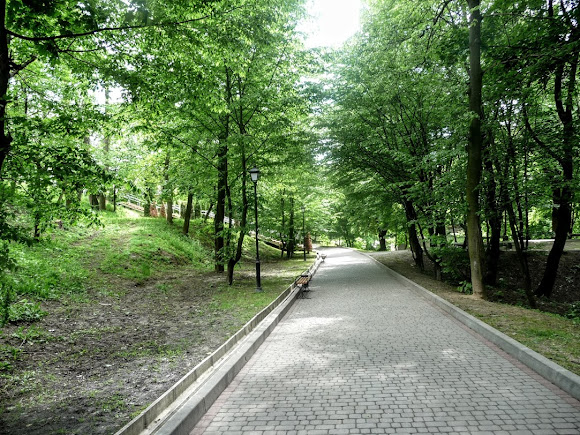 |
| The Student Park |
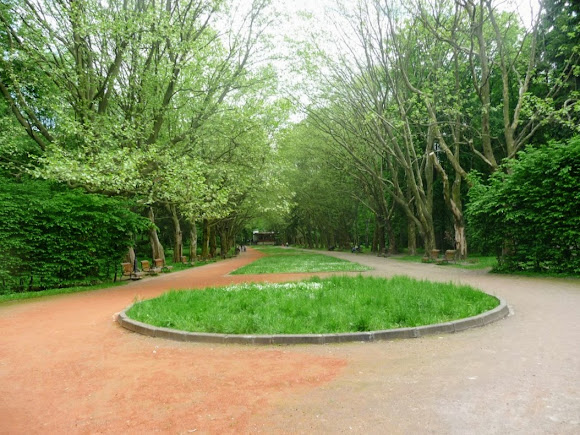
The Student Park lies on the steep slopes of the hills, across which flights of steps have been laid.
 |
| The Student Park. The monument to the professors executed in 1941. |
Heroiv Maidanu Street has borne this name since 2014.
Over its history it has changed its name several times: Perkgasse, Kadetska, Telmana, Hvardiiska.
 |
| Heroiv Maidanu St. The tram depot. |
No fewer architectural styles are represented on it: Constructivism, Secession, Neo-Norman and others.
The street ends at a Second World War military memorial and takes in the very edge of Khmelnytsky Park.
 |
| The Second World War military memorial |
This park is separated from Stryiskyi Park by the street of the same name, one of the seven main approach roads, marked by heavy traffic. Stryiskyi Park is one of the most beloved,
most beautiful,
most romantic,
most sporting parks of green Lviv.
It holds the status of a monument of landscape gardening art.
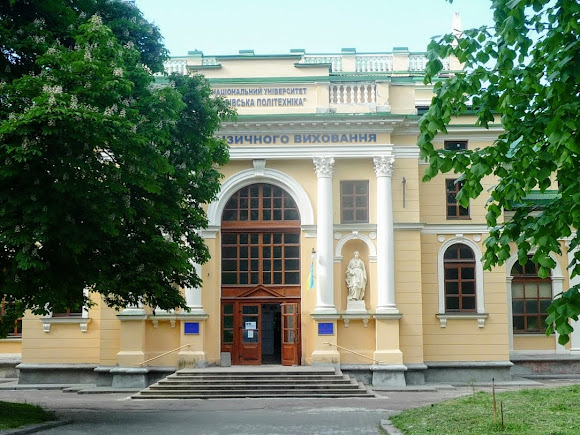 |
| Stryiskyi Park. The former Palace of Art, 1894. |
 |
| Stryiskyi Park. The monument on the site of the first football match held in Ukraine, in 1894. |
 |
| Stryiskyi Park. The memorial willow of Taras Shevchenko. |
Before the Second World War, fairs were held here, and so a narrow-gauge line was laid, which is now used by the children's railway.
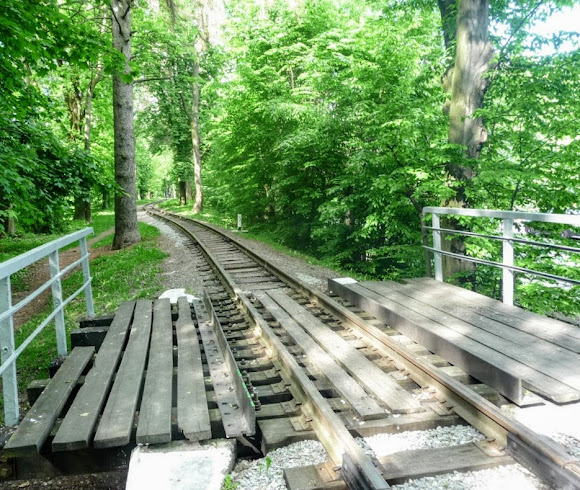 |
| Stryiskyi Park. The children's railway. The viaduct. |
For the fair, a red-brick water tower and pavilions were built.
 |
| The water tower. Built for the Galician Regional Exhibition of 1894, 39 m high, architect Yu. Zakharevych. |
Ivan Franko Street surprised me once again, with villas and town houses that, though restored, have kept their decorative details.
It is not for nothing that Lviv is called an open-air museum.
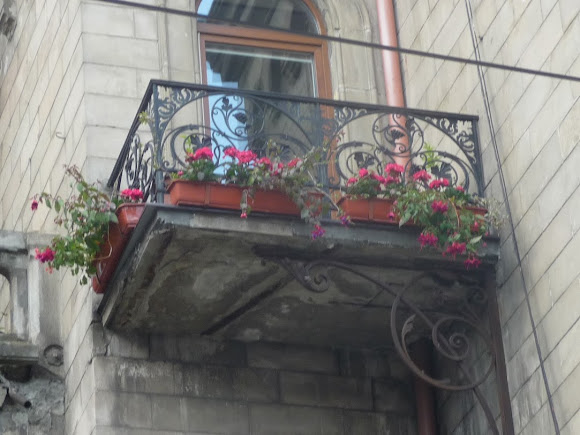
You could study its balconies of every kind, its entrance halls, doors, cornices and reliefs endlessly.
 |
| The monument to Ivan Trush — the Ukrainian Impressionist painter. |
And with that my latest defilada came to an end.
I share my wonderful impressions
and invite you to come and stroll: to the
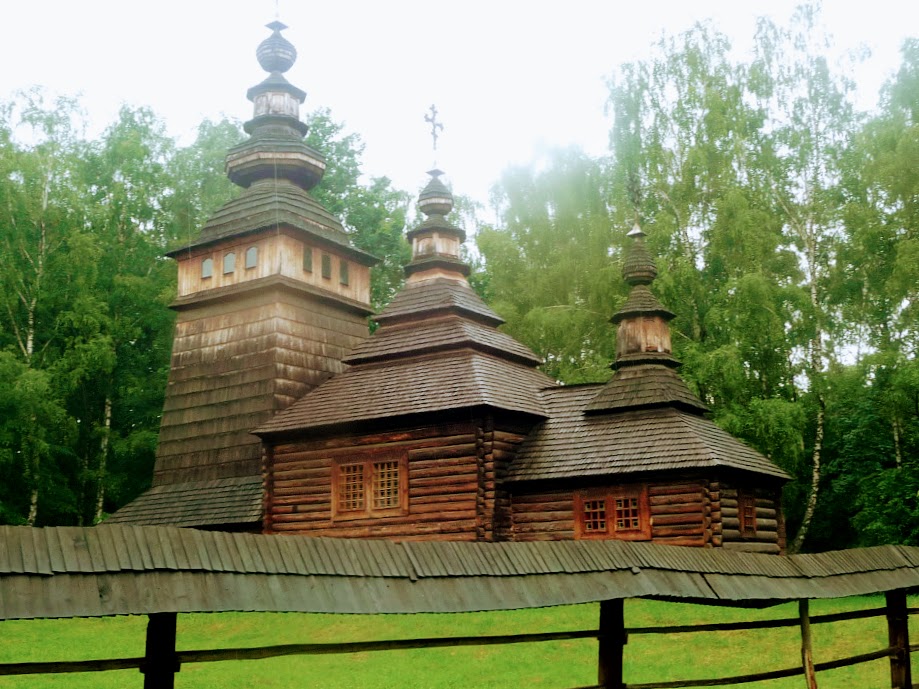
Botanical Garden of the I. Ya. Franko Lviv University, to the "Shevchenkivskyi Hai" Museum of Folk Architecture,
and to the "Citadel" fortification complex.










































No comments:
Post a Comment
Leave your impression