 |
| A Ukrainian calendar |
Human activity gave rise to the calendar's prototype as far back as the ancient civilisations, when people would mark astronomical events and the seasonal changes in nature with geometric figures. In Kyivan Rus, the liturgical books set down the dates of the Christian feasts and the days for honouring the saints.


One of the first European calendars was the work of a Ukrainian, Yurii Kotermak of Drohobych. An astronomer, teacher and humanist, he printed the "Prognostic Assessment of the Present Year 1483", which carried astrological forecasts along with notes on geography, astronomy and meteorology.
.JPG "Lviv. Polytechnic library. Calendars on display")

Calendars not only set out a system for reckoning time — they also serve as a stylish furnishing for a flat, a study, an office or a library. The sphere and the particular manner of a calendar's use dictate its format and the choice of it.


The possibilities of printing and design allow for the making of wall, desk, tear-off and pocket calendars, tent-fold ones, miniature and oversized ones, magnetic calendars and photo calendars.


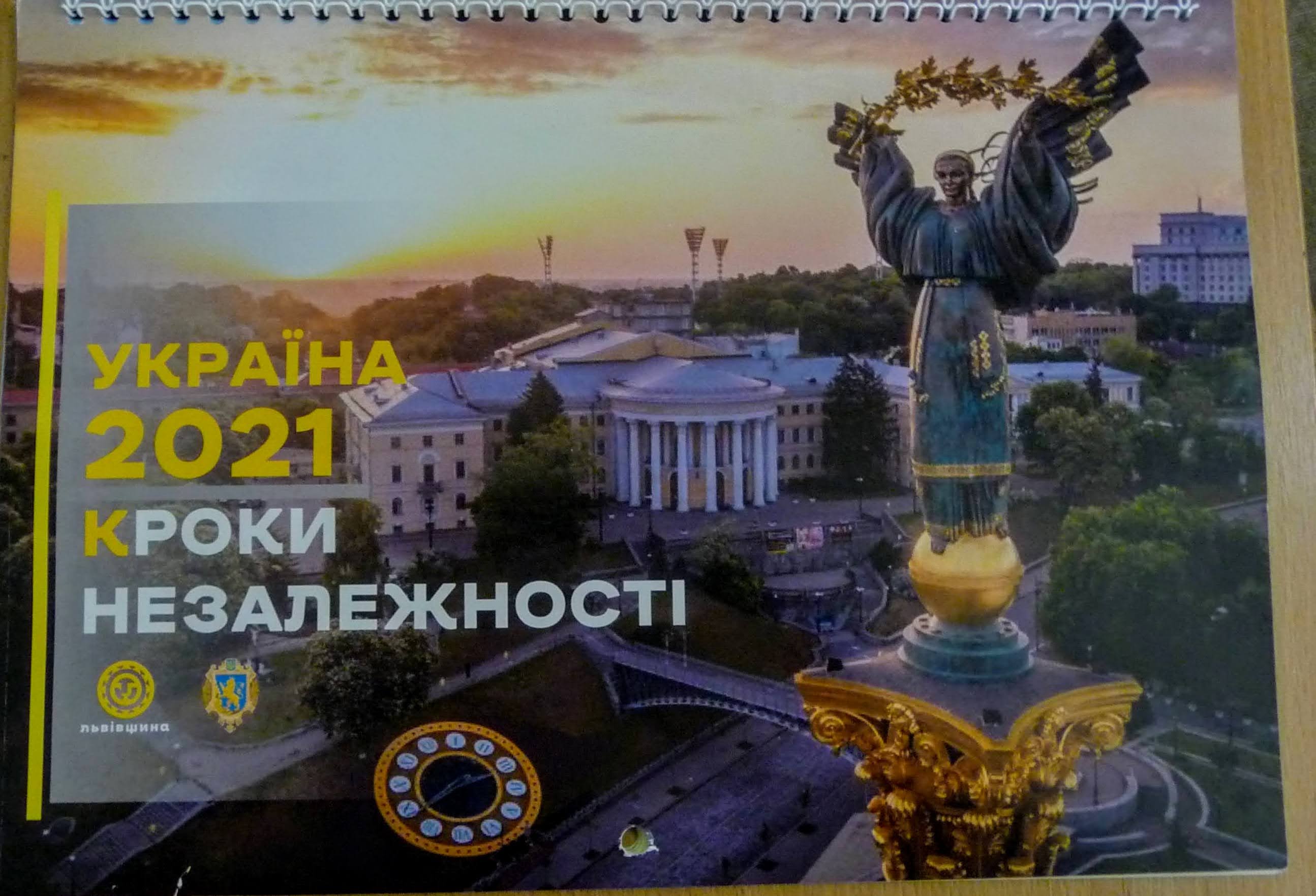
The practical book format has won particular favour among buyers: each page stands for a month, carries a grid for counting off the time, and can be filled out with popular-science notes or works of literature.


Images of landscapes, landmarks, still lifes and animals make the printed product colourful and sought-after. The range of today's yearly editions abounds in kinds: themed, workplace, church, school, souvenir, corporate, gift, business and event calendars.
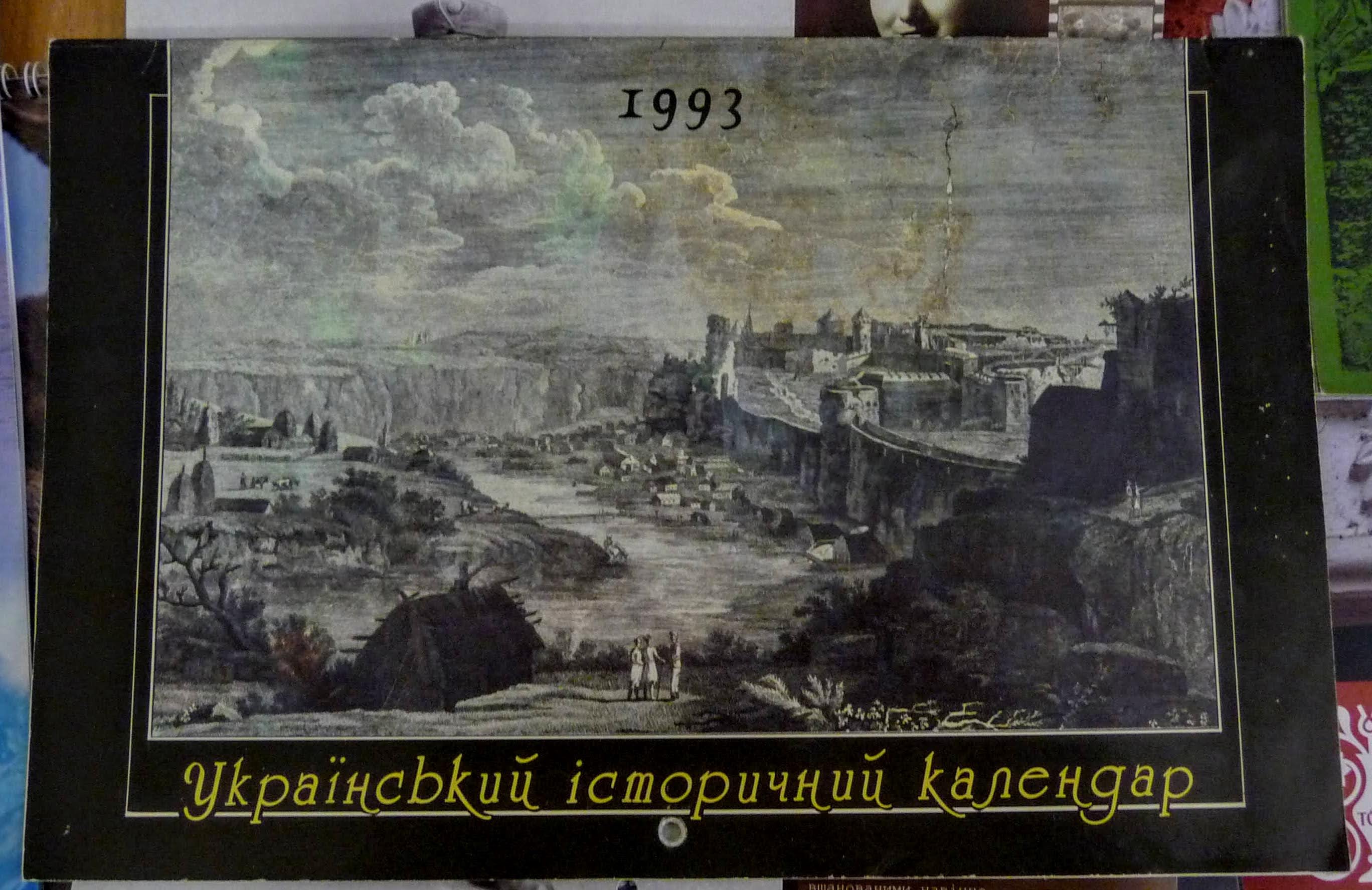


A calendar serves us for a single year, and once its last page has been turned it becomes of no use. What is one to do with the trusty almanac that has served its term? It can be given to a library. Illustrated calendars are part of the cultural heritage, and within the holdings of Ukrainian libraries collections of calendar periodicals are ever more often being formed.


The photographs present the display of calendars at the Scientific and Technical Library of Lviv Polytechnic National University.
This story is also available in Ukrainian: Календар – помічник, діловий атрибут, рекламний сувенір, стильна прикраса, культурна спадщина

No comments:
Post a Comment
Leave your impression