Wednesday, 17 August 2022

Mykulychyn. The Museum of Hutsul Customary Symbolism

The only museum of the customary symbolism of the Hutsul region in Ukraine is located in Mykulychyn in the Ivano-Frankivsk region, almost in the centre of the village on the main street, and all travellers on the Yaremche-Bukovel route are sure to drive past this unique local-history, ethnographic, historical and spiritual landmark.
 
Mykulychyn, Ivano-Frankivsk region. The Museum of the Customary Symbolism of the Hutsul Region

The creation of the museum was initiated by the ethnologist, plant breeder, forester and senior research fellow of the Carpathian National Nature Park, Yurii Yulianovych Boberskyi, together with his son Yurii, a historian by profession.
 
Mykulychyn. The Museum of the Customary Symbolism of the Hutsul Region. Portrait of Yu. Yu. Boberskyi

The idea behind creating the museum is to show the ancientness of Ukrainian identity, to shed light on the history of the emergence of the Ukrainian ethnos, culture and traditions, and of the Hutsuls in particular. The main theme of the exhibits is ornament, decoration and symbolism in drawings, carving, icon painting, embroidery and ceramics. Ancient weaving patterns and pysanka ornaments carry a deep sacred and life-giving meaning and are a visual form of writing. The symbols that were used in ancient times and served as writing not only in the Hutsul region but across all of Ukraine can be called the genetic spiritual code of the nation.
 

The museum is scientifically grounded, has operated since 2012 and is part of the Carpathian National Park. The building of this cultural institution was constructed in the form of a Hutsul grazhda house - a complex of living and household premises forming a rectangular structure.
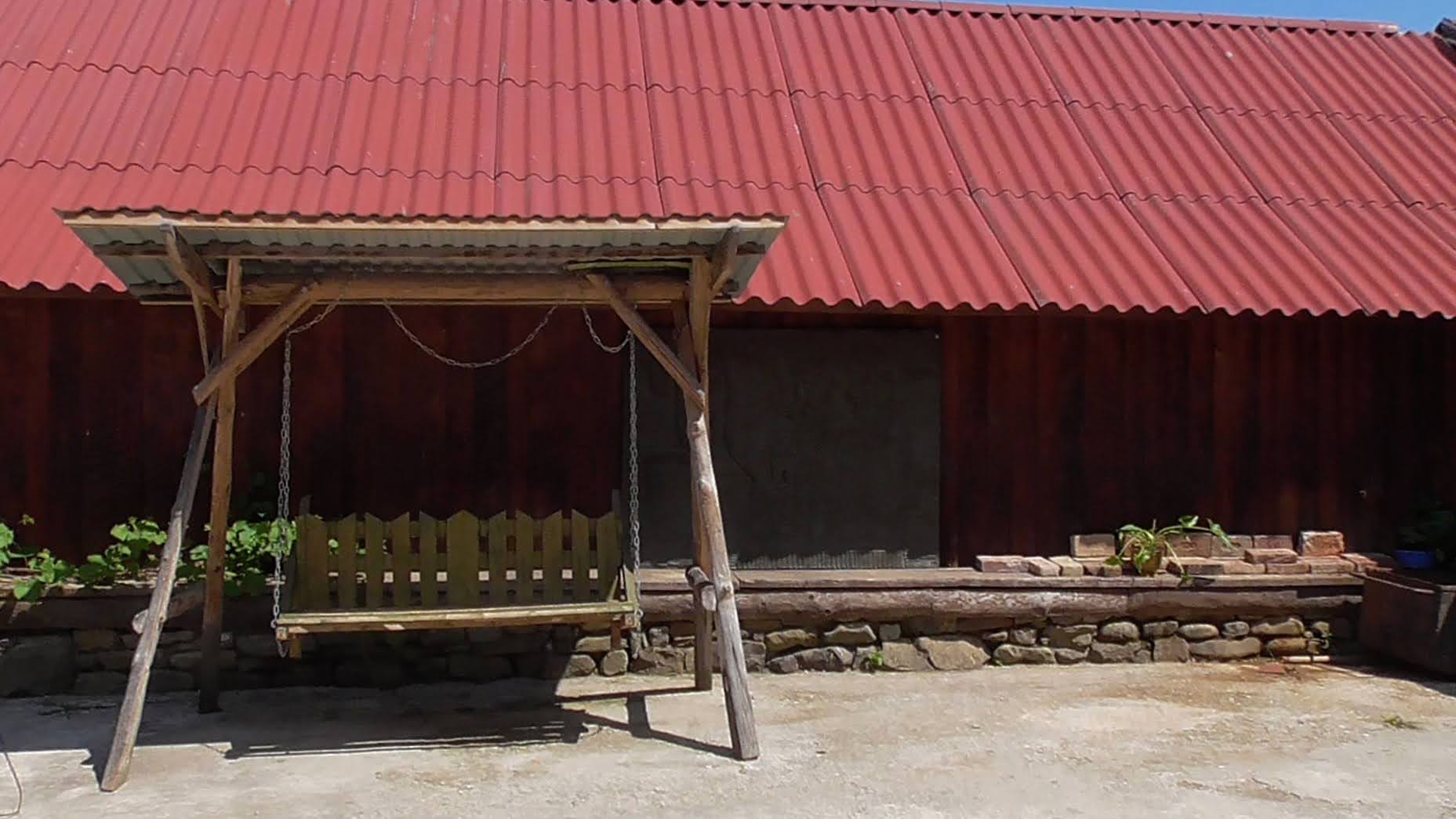
 
Mykulychyn. The Museum of the Customary Symbolism of the Hutsul Region. The grazhda house

Mykulychyn. The Museum of the Customary Symbolism of the Hutsul Region. The grazhda house

Mykulychyn. The Museum of the Customary Symbolism of the Hutsul Region. The grazhda house

Mykulychyn. The Museum of the Customary Symbolism of the Hutsul Region

The grazhda is adorned with wooden figures created by Lviv artists in the 1950s-1960s. The sculptures symbolise the different seasons of the year.
 
Mykulychyn. The Museum of the Customary Symbolism of the Hutsul Region. Wooden sculptures symbolising the seasons

Mykulychyn. The Museum of the Customary Symbolism of the Hutsul Region. Wooden sculptures symbolising the seasons

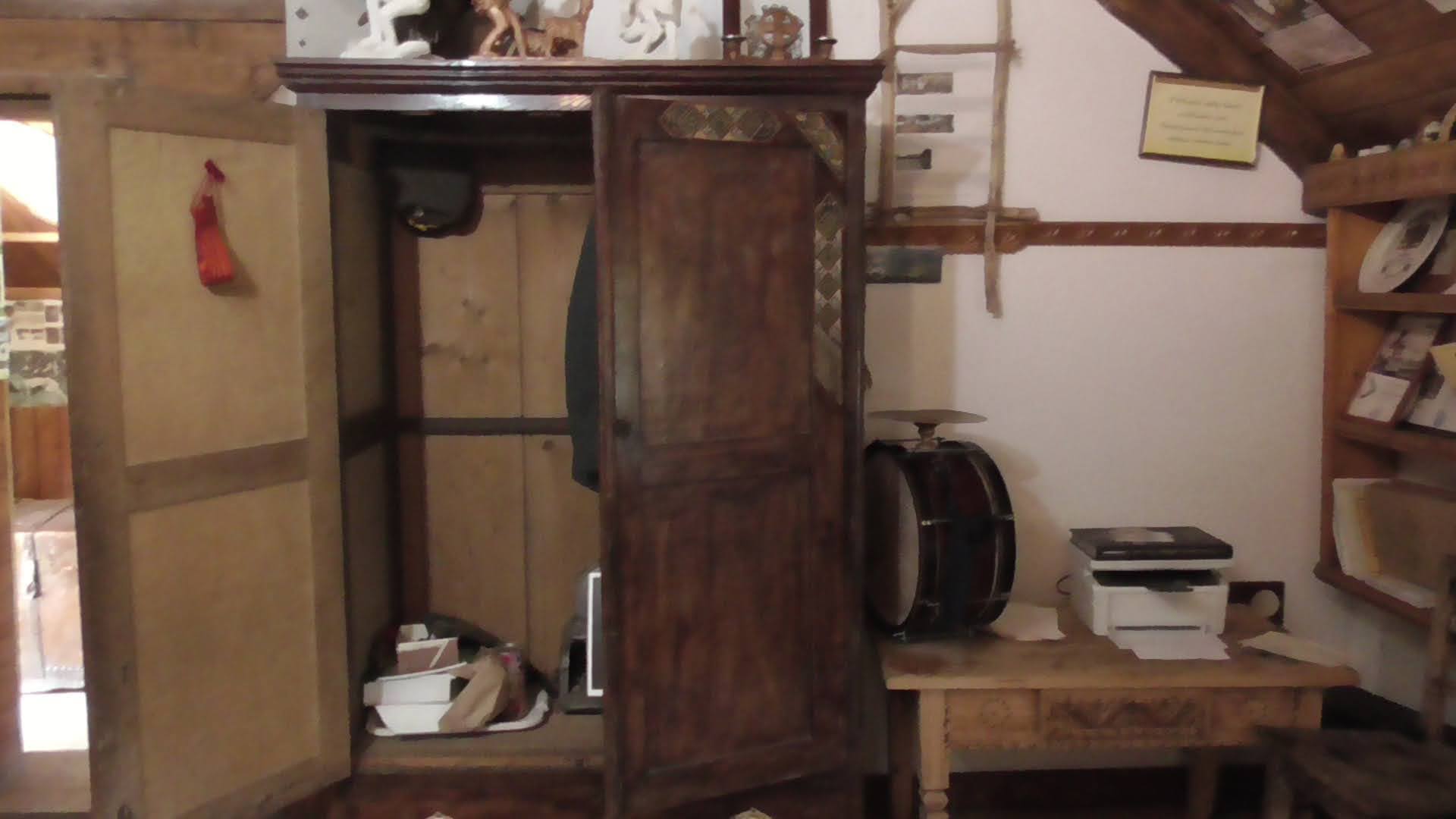
In the museum's three halls, many authentic objects of Hutsul daily life, clothing and beliefs are gathered, where the symbols of the Hutsul ethnos are depicted in drawings, icon painting, embroidery and carving.

Mykulychyn. The Museum of the Customary Symbolism of the Hutsul Region. Objects of Hutsul daily life and beliefs

Mykulychyn. The Museum of the Customary Symbolism of the Hutsul Region. Objects of Hutsul daily life and beliefs

Mykulychyn. The Museum of the Customary Symbolism of the Hutsul Region. Objects of Hutsul daily life and beliefs

Mykulychyn. The Museum of the Customary Symbolism of the Hutsul Region. Objects of Hutsul daily life and beliefs

Mykulychyn. The Museum of the Customary Symbolism of the Hutsul Region. Objects of Hutsul daily life and beliefs

One of the astonishing exhibits is a stone ball with a pointed end - a sacred object endowed with supernatural properties. The churinga is considered the germ from which pysanka-making grew.
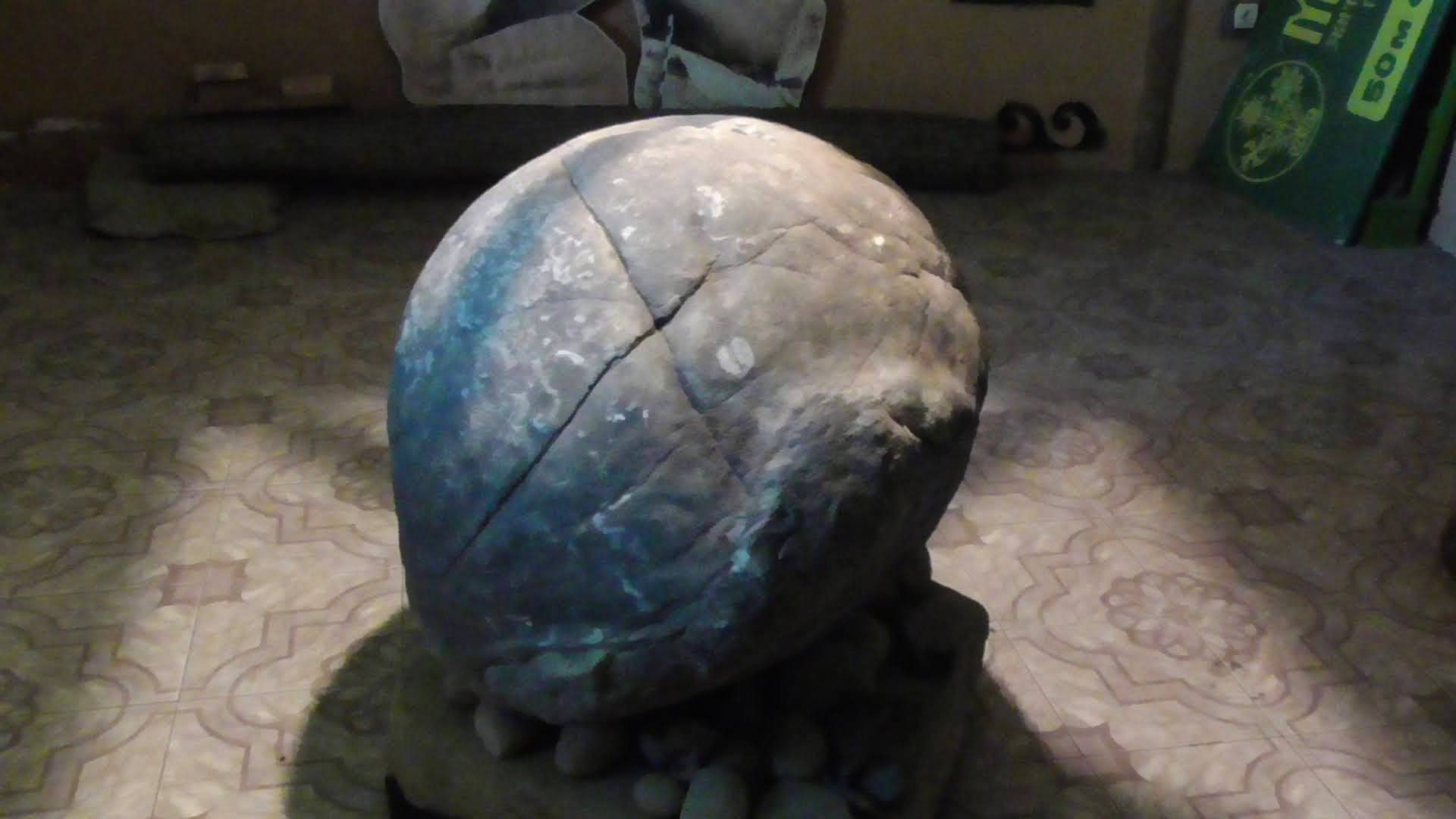
Mykulychyn. The Museum of the Customary Symbolism of the Hutsul Region. The churinga
Mykulychyn.  The Museum of the Customary Symbolism of the Hutsul Region. The churinga

On display are rushnyky and embroidered shirts, made in every corner of the Hutsul region in the 19th-20th centuries by folk craftswomen.
 
Mykulychyn. The Museum of the Customary Symbolism of the Hutsul Region. Rushnyky and embroidered shirts

Mykulychyn. The Museum of the Customary Symbolism of the Hutsul Region. Rushnyky and embroidered shirts

Mykulychyn. The Museum of the Customary Symbolism of the Hutsul Region

A large collection of tableware, cooper's wares and household tools is kept here. Items and implements for processing milk on the high mountain pasture are on display.
 
Mykulychyn. The Museum of the Customary Symbolism of the Hutsul Region. Tableware, cooper's wares and household tools

Mykulychyn. The Museum of the Customary Symbolism of the Hutsul Region. Tableware, cooper's wares and household tools

Mykulychyn. The Museum of the Customary Symbolism of the Hutsul Region. Tableware, cooper's wares and household tools

Mykulychyn. The Museum of the Customary Symbolism of the Hutsul Region. Tableware, cooper's wares and household tools

Mykulychyn. The Museum of the Customary Symbolism of the Hutsul Region. Tableware, cooper's wares and household tools

Mykulychyn. The Museum of the Customary Symbolism of the Hutsul Region. Tableware, cooper's wares and household tools

Mykulychyn. The Museum of the Customary Symbolism of the Hutsul Region. Tableware, cooper's wares and household tools

Mykulychyn. The Museum of the Customary Symbolism of the Hutsul Region. Tableware, cooper's wares and household tools

On numerous expeditions through the villages, samples of rare embroidery were gathered.
 
Mykulychyn. The Museum of the Customary Symbolism of the Hutsul Region. Rare embroidery gathered in the villages

Mykulychyn. The Museum of the Customary Symbolism of the Hutsul Region. Rare embroidery gathered in the villages

The old holy images, icons and religious utensils deserve attention, study and classification. 

Mykulychyn. The Museum of the Customary Symbolism of the Hutsul Region. Old holy images, icons and religious utensils

Mykulychyn. The Museum of the Customary Symbolism of the Hutsul Region. Old holy images, icons and religious utensils

An exhibition of works by local folk craftsmen and artists has been set up. 

Mykulychyn. The Museum of the Customary Symbolism of the Hutsul Region. Works by local folk craftsmen and artists

Mykulychyn. The Museum of the Customary Symbolism of the Hutsul Region. Works by local folk craftsmen and artists

Visitors will not only see original Hutsul clothing but will be able to try on shirts, keptars, hats, kraikas and kerchiefs and have their photo taken as a keepsake. 

Mykulychyn. The Museum of the Customary Symbolism of the Hutsul Region. Original Hutsul clothing

Mykulychyn. The Museum of the Customary Symbolism of the Hutsul Region. Original Hutsul clothing

Mykulychyn. The Museum of the Customary Symbolism of the Hutsul Region. Original Hutsul clothing

In the inner courtyard a large gallery of the working tools of lumberjacks, woodworking masters, builders and carpenters has been created. 

Mykulychyn. The Museum of the Customary Symbolism of the Hutsul Region. The inner courtyard. A gallery of working tools

Mykulychyn. The Museum of the Customary Symbolism of the Hutsul Region. The inner courtyard. A gallery of working tools

Mykulychyn. The Museum of the Customary Symbolism of the Hutsul Region. The inner courtyard. A gallery of working tools

Guests are invited to take part in master classes in cheese-making and in the preparation of Hutsul national dishes. For organising conferences and other ceremonial events there is a room with a colourful interior.
 
Mykulychyn. The Museum of the Customary Symbolism of the Hutsul Region. The room with a colourful interior

Great thanks to the organisers and to everyone who contributed to the creation of the museum - true Hutsuls, in love with their land, who preserve its history and traditions! Special thanks to the young keeper of the museum's treasures, Dmytro, for accompanying us and explaining things as we viewed the displays. 

Address: Mykulychyn village, 73b M. Hrushevskoho St., 
Ivano-Frankivsk region.
Excursions by appointment.
Tel.: +380 98 067 14 91

Next to the Museum of the Symbolism of Hutsul Customs stands the narrow-gauge carriage-museum, which was used to transport timber in 1911-1914.

Mykulychyn. The narrow-gauge carriage-museum

As this publication was being prepared, it became known that at the end of July 2022 part of the grazhda, at the spot where the shop and the wooden sculptures stood, burned down in a fire. I offer my condolences to the owners and call on all who care to support the Boberskyi family.


No comments:

Post a Comment

Leave your impression