The Akkerman Fortress in Bilhorod-Dnistrovskyi is the largest fortification structure in Eastern Europe and the oldest in Ukraine.
The entrance to the fortress is open from 8 in the morning until 20:00, through the Main (Kiliia) Gate.

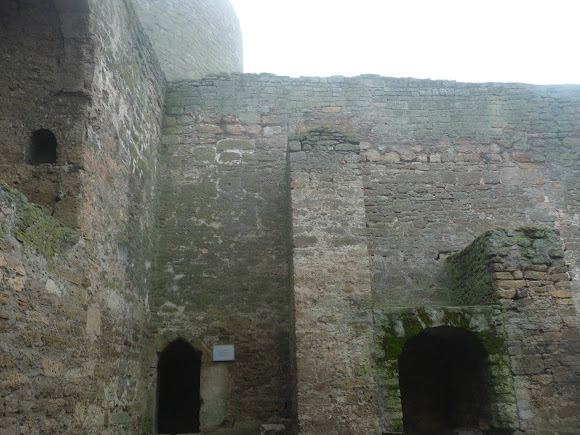
Earlier there was a drawbridge here, and the openings on the second tier were intended for pouring boiling water and tar.

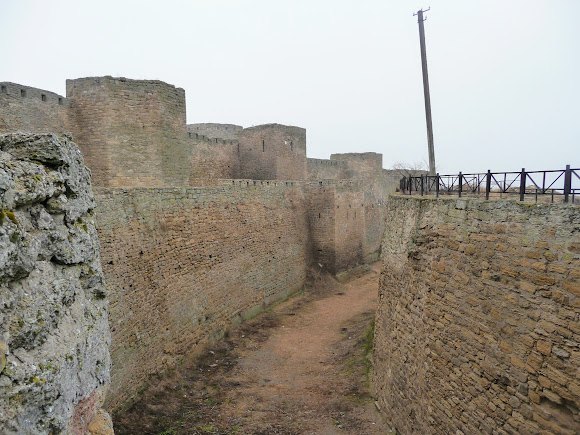
The impregnability of the stronghold is immediately apparent from the deep and wide moats, whose walls are reinforced with stone.


Crowded excursions are held constantly, but I visited the landmark without a guide's accompaniment.

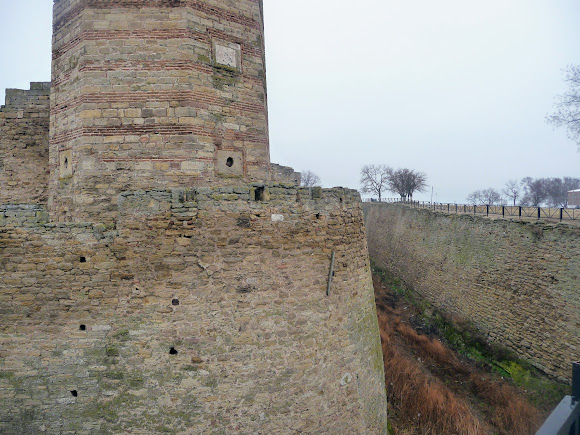
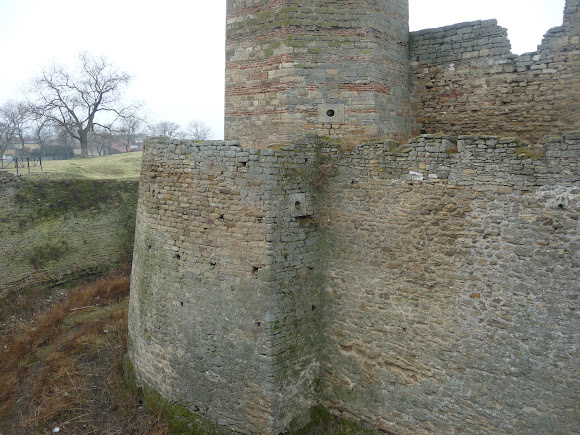

Early in the morning, when the noisy crowds of tourists had not yet filled the space and the trading stalls, which do not fit the interior of the bastille, had not opened their tents and were not distracting attention, I set about studying this centuries-old historical heritage in a wonderful mood.


In my hands were a layout plan and a short biography of the defensive giant, and I was alone in the whole fortress, not counting the guards at the entrance gate.

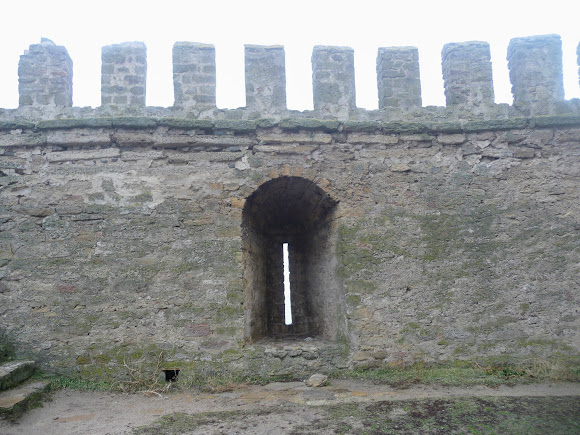

The solo walk allowed me to touch antiquity and feel the atmosphere of the ancient stronghold.


The silence was broken only by pheasants, unsettled by the lone traveller, which flew out from goodness knows where and immediately vanished into the barberry thickets.


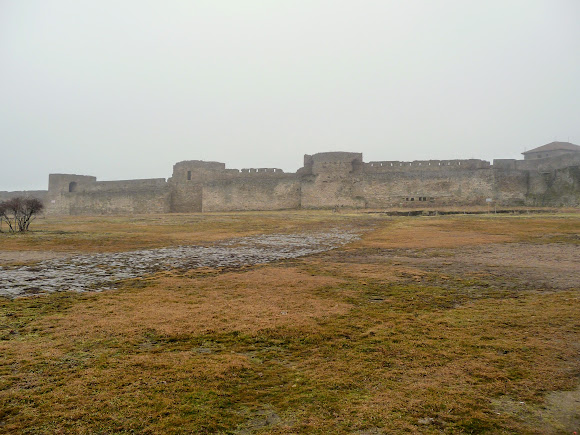
The morning mist hindered the taking of good photographs, yet it lent the fort a mysteriousness and inscrutability.


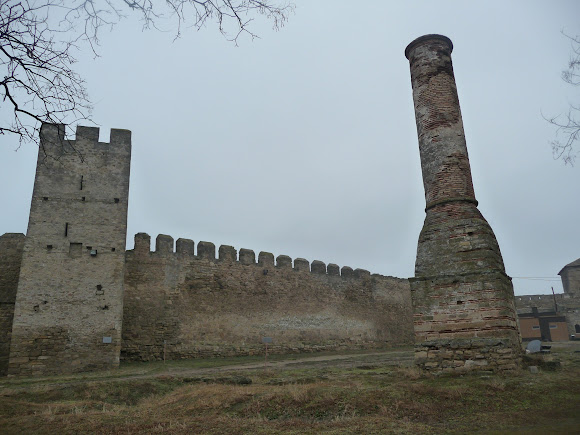

The Black Sea fortress was founded in the 13th century by a khan of the Golden Horde.

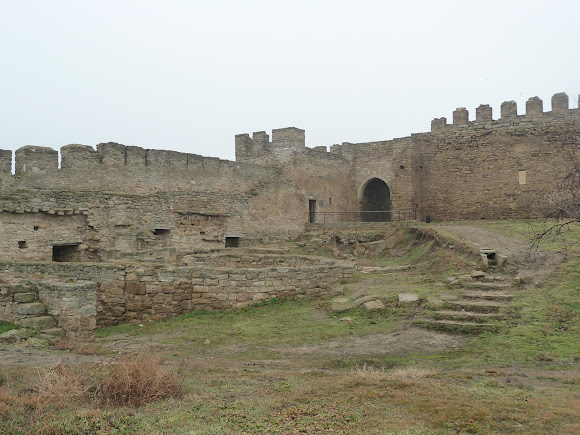

In the 14th century the masters became the Genoese, and later — the Moldavian princes.


The medieval structure astonishes with its size and the durability of its buildings.

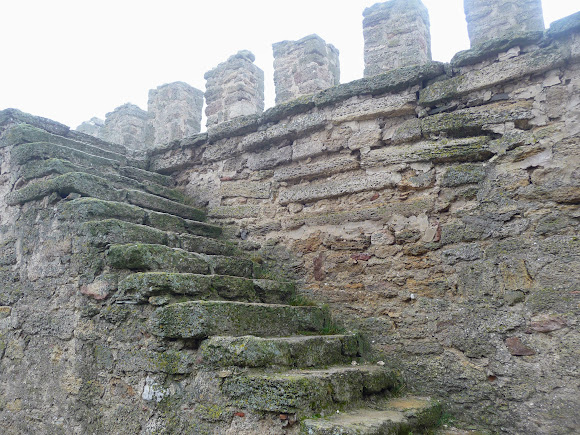
The total area is 9 hectares.


The sturdy walls stretch for 2.5 kilometres.
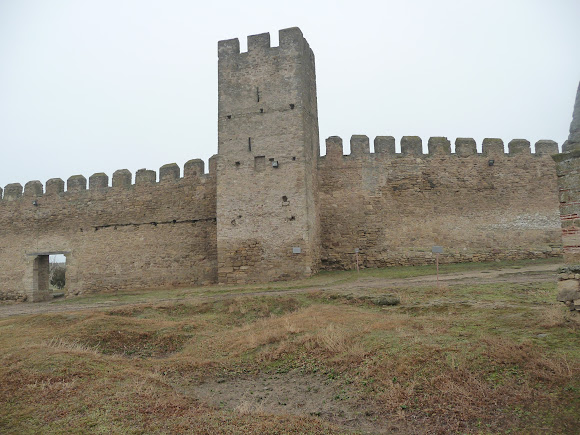


Despite their strength and reliability, signs urge one to refrain from walking along the wall.


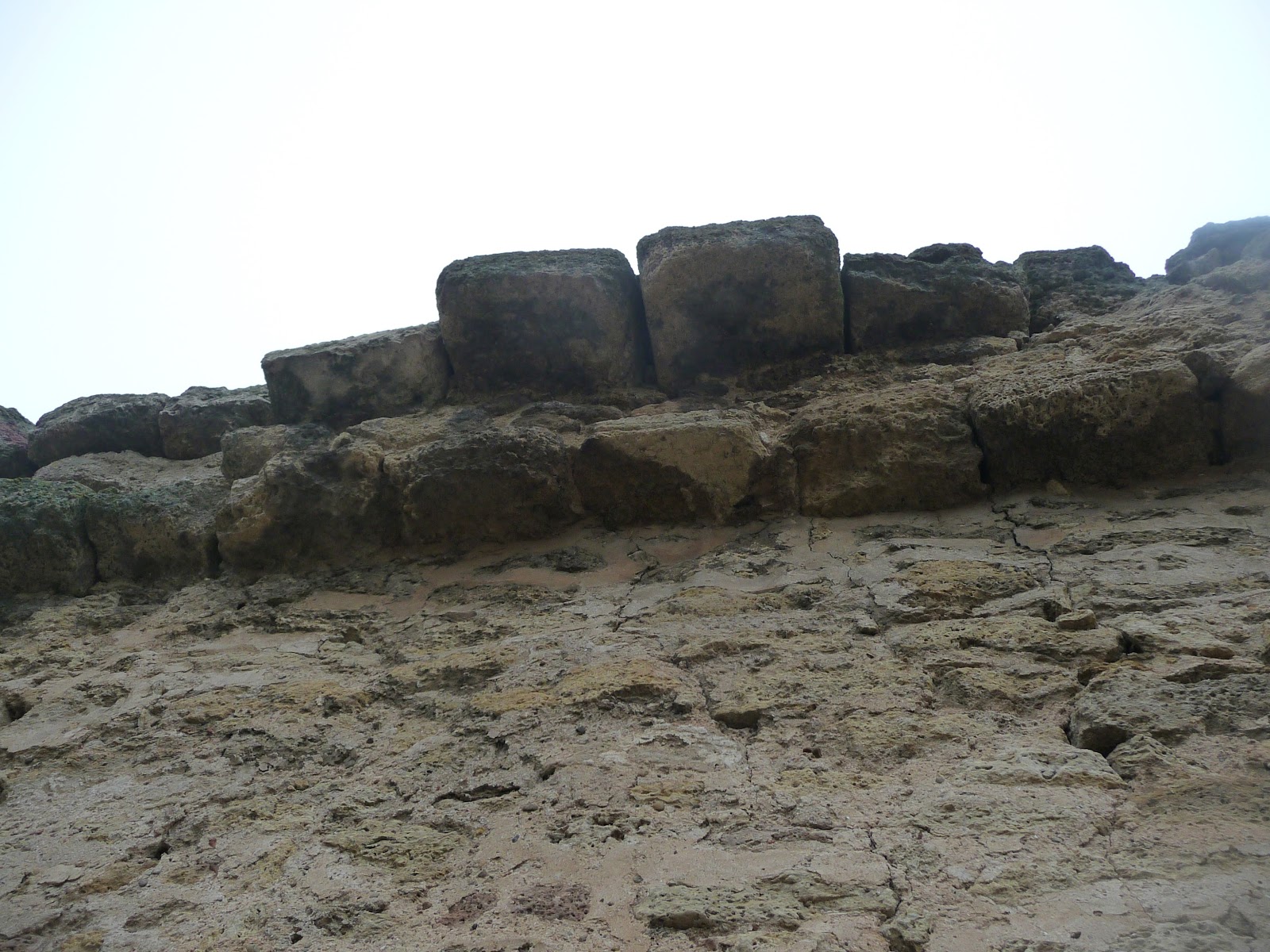
Here are the kind of massive boulders that sometimes protrude from the monolithic enclosure.
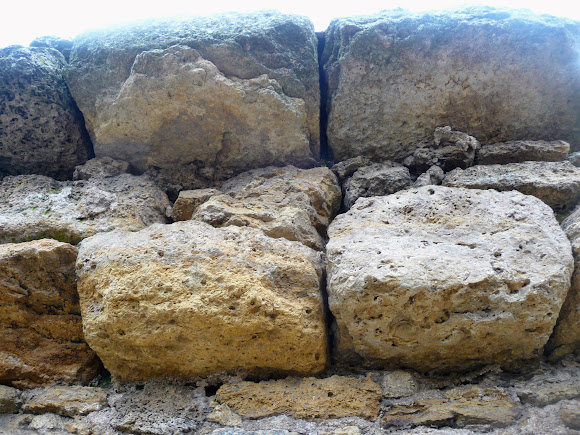

The white limestone that served as the building material gave the fortress and the city their name: Akkerman — the White City.

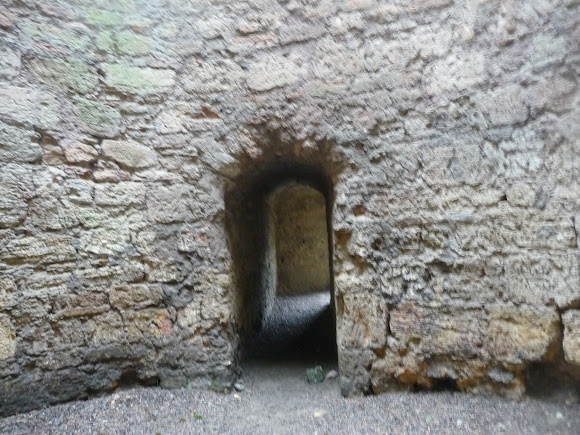
The solid inner walls divide the stronghold into 4 courtyards, which once had different purposes but could withstand a siege on their own.


In the Civil Courtyard the townspeople hid during an enemy invasion.
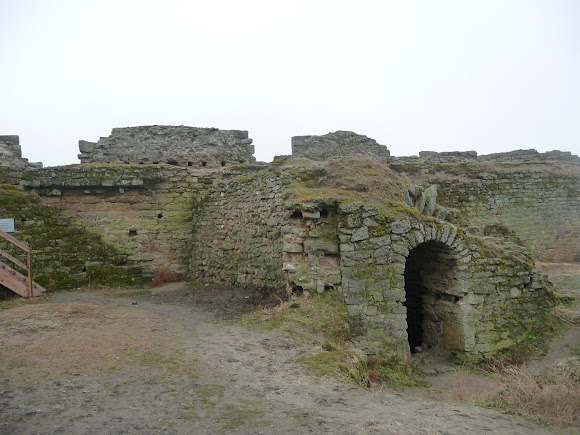


The dwelling buildings have not survived, but the minaret of the Turkish mosque, built on the site of an ancient 12th-century church, rises up and draws the eye.

In the Garrison Courtyard were the stables, the ammunition stores and the barracks.
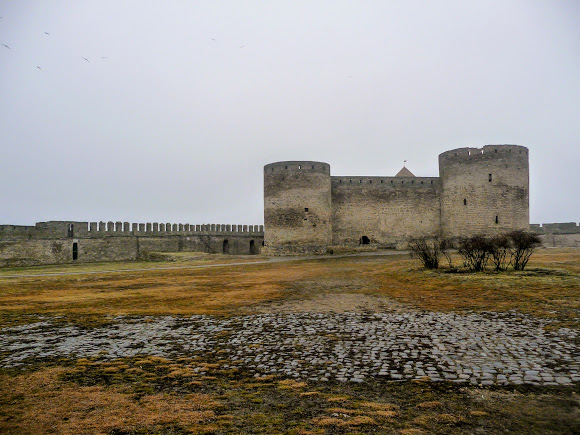
Between the two main courtyards a road was laid and gates were closed.


Beyond the enclosure was the Port Courtyard, but the watery element of the Dniester Estuary destroyed the place for the quarantine storage of imported goods.


The core of the outpost is the citadel.


The solidity and immovability of the structure can be appreciated by stepping inside the towers, which were intended for storing the arsenal, the gunpowder and the treasury.
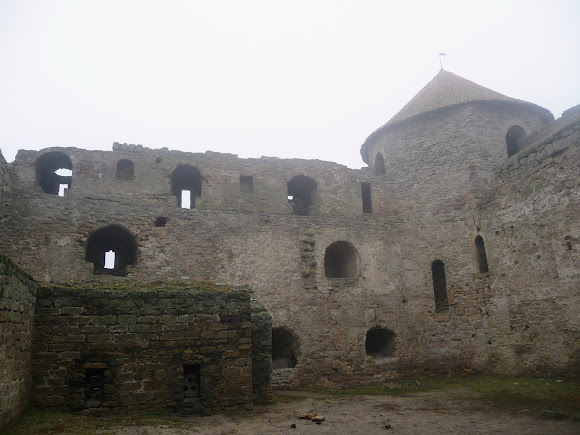
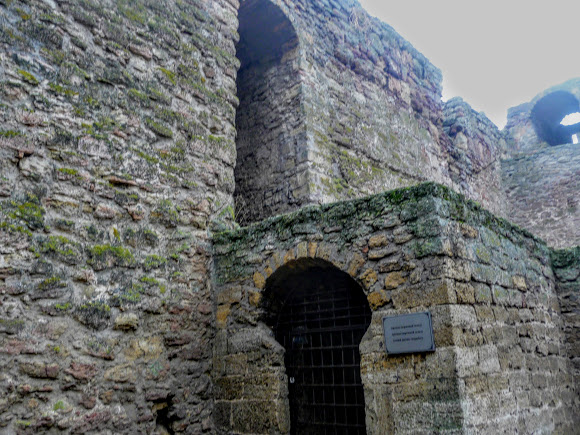


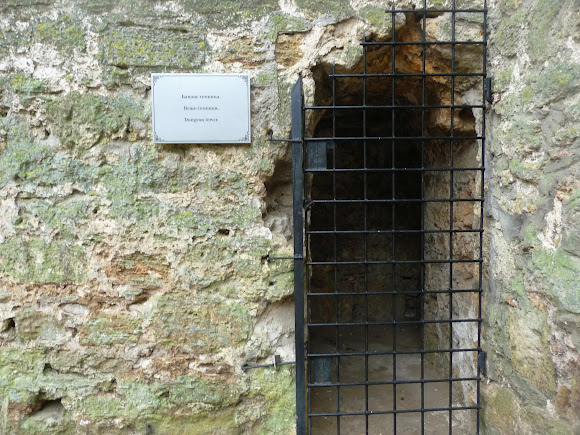
Here were the headquarters and the commandant's office.


A separate tower was provided for prisoners, serving as a prison.

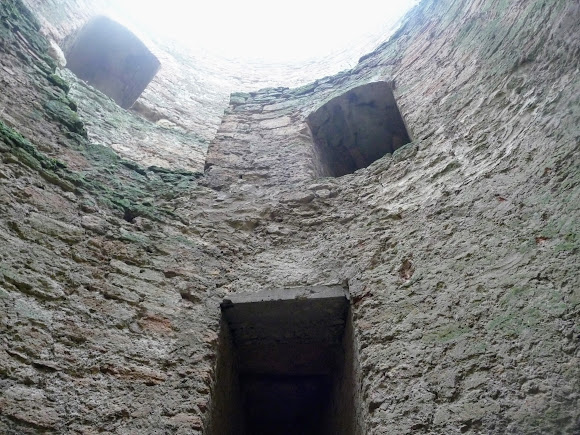


The masters and the names changed; many times the fortress was subjected to attacks.

At the end of the 15th century, the many-thousand-strong armies of the Turkish sultan and the Crimean khan, after a siege during which moats up to 20 metres deep and up to 14 metres wide were filled in, stormed the fortress.

The defenders' resistance ended with the surrender of the defensive structure to the enemy.


For three centuries Turkish sultanate rule held sway in it, and three Russo-Turkish wars did not pass Akkerman by.
Such well-known historical figures took part in the siege of the fortress: M. I. Kutuzov, F. F. Ushakov, Barclay de Tolly and others.
Along the entire defensive wall were built-in towers that served as platforms for artillery guns.

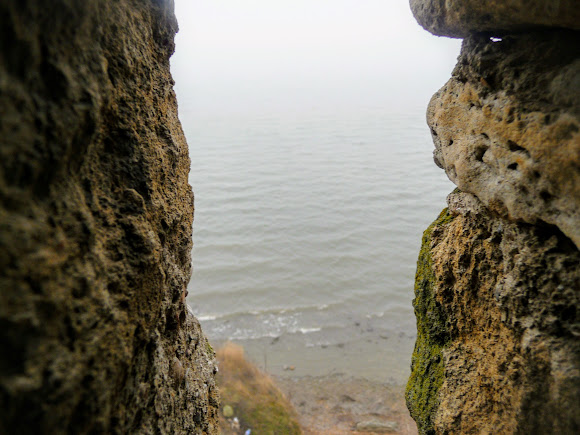
Now this is a wonderful place for contemplating the steep rocky bank of the Dniester Estuary, and the whole territory of the stronghold can be seen at a glance.
The westernmost tower is named in honour of A. S. Pushkin.

The Sun of Russian Poetry spent 3 days in Akkerman in 1821 during the Kishinev period of his exile. Having dined in the fortress at the invitation of the commandant, the poet was inspired to write the epistle "To Ovid".

The south-eastern tower is named in memory of Ovid, and the estuary, on the opposite bank of which the district centre of Ovidiopol is located, formerly bore the name Ovid's Lake.


From the middle of the 19th century the stronghold lost its strategic significance as an outpost.
Since 1963 the fortress has held the status of an architectural and town-planning landmark of national significance.
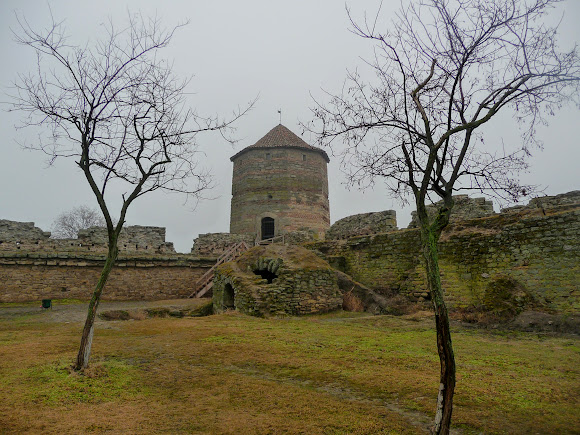
In the Civil Courtyard, a site is set up with a display of weapons and instruments of torture.

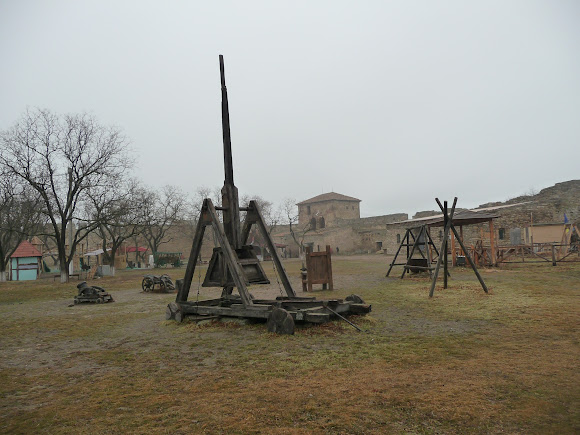
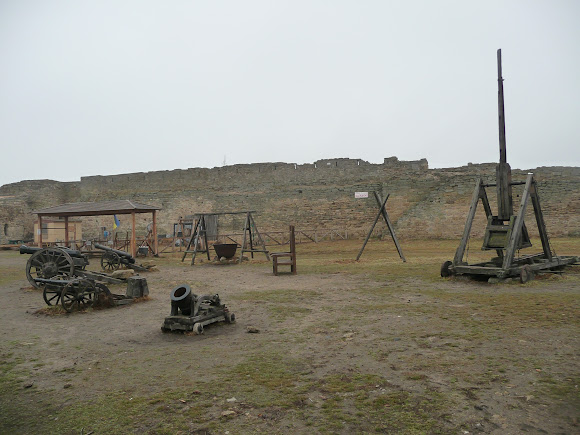
A very complex mobile structure on wheels, the "Battering Tortoise", was used to ram the fortress walls and could destroy up to 100 people.


At the shooting range you are invited to compete in archery.

The artefacts found during the excavations of the ancient city of Tyras are laid out by the fortress museum and conceal much that is still unsolved.
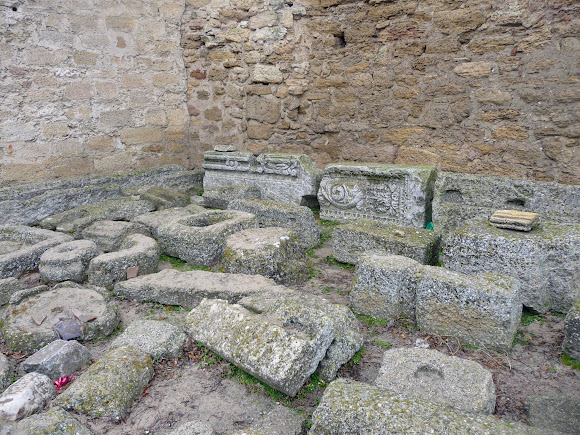
The ruins of the ancient city of Tyras, which arose around the 5th century BC, can be seen on the square in front of the fortress.


Nowadays festivals, tournaments for the storming of the fort, theatrical performances and knightly duels are held on the territory of the Akkerman stronghold.
Akkerman is very attractive for tourists; a walk can take at least two or three hours, but even five or six can be spent interestingly and profitably.

The city has hotels. From the bus station, buses depart every 30 minutes to Odesa. It is also convenient to travel by electric train from the regional centre and back. The distance of 80 kilometres from Odesa is covered by suburban train or by road transport in less than two hours, and the fascinating excursion leaves wonderful impressions, which I share with you.

Address: Bilhorod-Dnistrovskyi, Odesa region, Ushakova Street.
Coordinates: 46°12’1"N 30°20’56"E
 |
| Bilhorod-Dnistrovskyi. The Akkerman Fortress |




Coordinates: 46°12’1"N 30°20’56"E
This story is also available in Ukrainian: Білгород-Дністровський. Фортеця Аккерман

No comments:
Post a Comment
Leave your impression